Computer Systems visual study deck

Technician Reference Sheets

Robotnix-original visual references covering hardware, mobile and print systems, networking, virtualization, operating systems, security, operations, and the Technician Service Challenge.Print this page from your browser for a clean reference packet. Interactive-only boards are intentionally excluded.
Sheet 1 · Weeks 1, 2

PC Core Components

Compare core PC components before compatibility and no-POST troubleshooting.
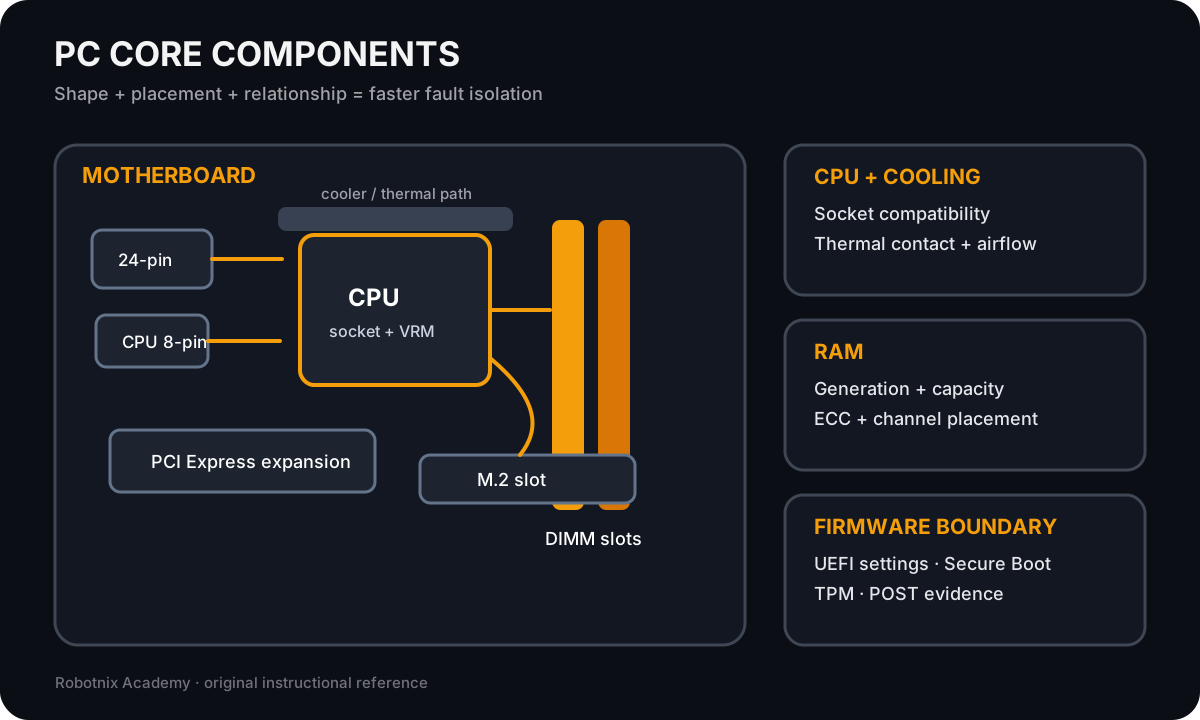
Reference sheet showing a motherboard, CPU and cooler, DIMM memory, and major power and data relationships inside a desktop computer.

Use component shape, placement, and relationship clues to separate motherboard, CPU, memory, and cooling faults.

Robotnix Academy · Robotnix original course asset
Sheet 2 · Weeks 3, 4

Storage, Power, and Expansion Paths

Compare storage interfaces and trace power, expansion, and display dependencies.

Reference sheet comparing a hard drive, SATA SSD, M.2 NVMe drive, power supply, PCI Express graphics card, and display output path.

Form factor is only one clue. Interface, power, slot, and workload requirements determine whether a component belongs in a system.

Robotnix Academy · Robotnix original course asset
Sheet 3 · Weeks 5, 6

Portable and Print Systems

Compare laptop/mobile service boundaries with printer and scanner mechanisms.
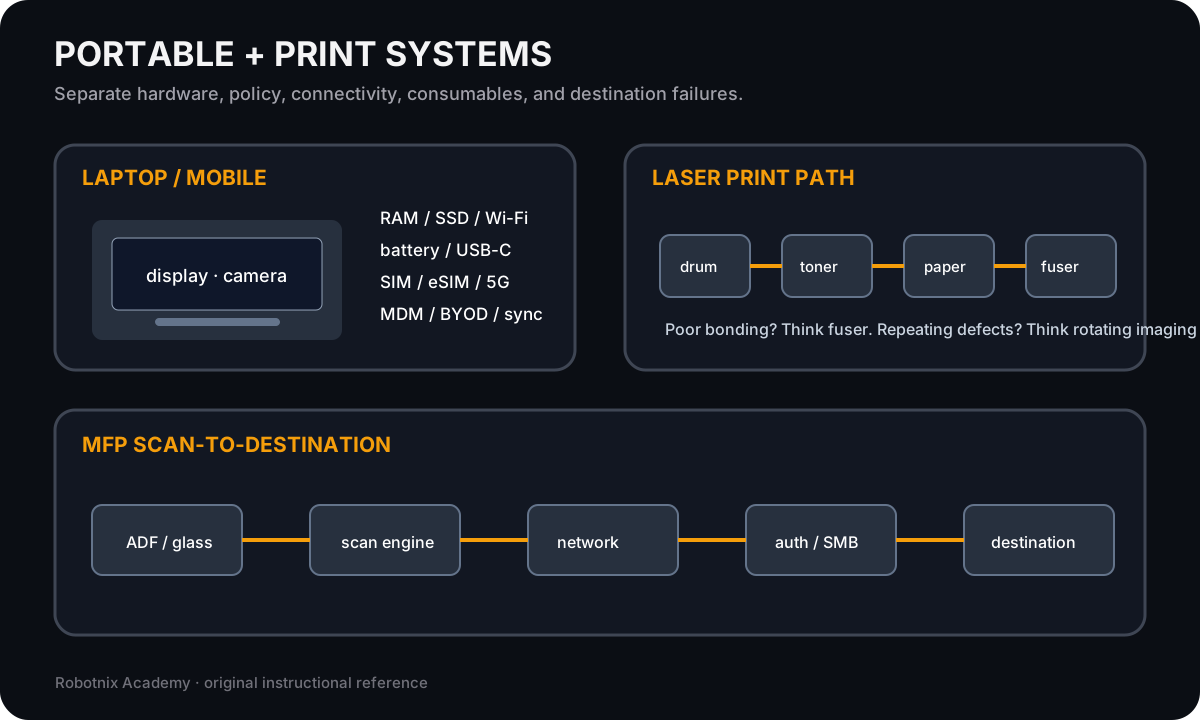
Reference sheet showing laptop serviceable parts, mobile radios and ports, a laser printer imaging path, and a multifunction printer scan path.

Portable and printer systems combine hardware, policy, consumables, connectivity, and service paths that must be isolated separately.

Robotnix Academy · Robotnix original course asset
Sheet 4 · Weeks 7, 8, 9

Network Devices, Media, and Tools

Identify common network hardware, cabling, and physical troubleshooting tools before service-layer diagnosis.
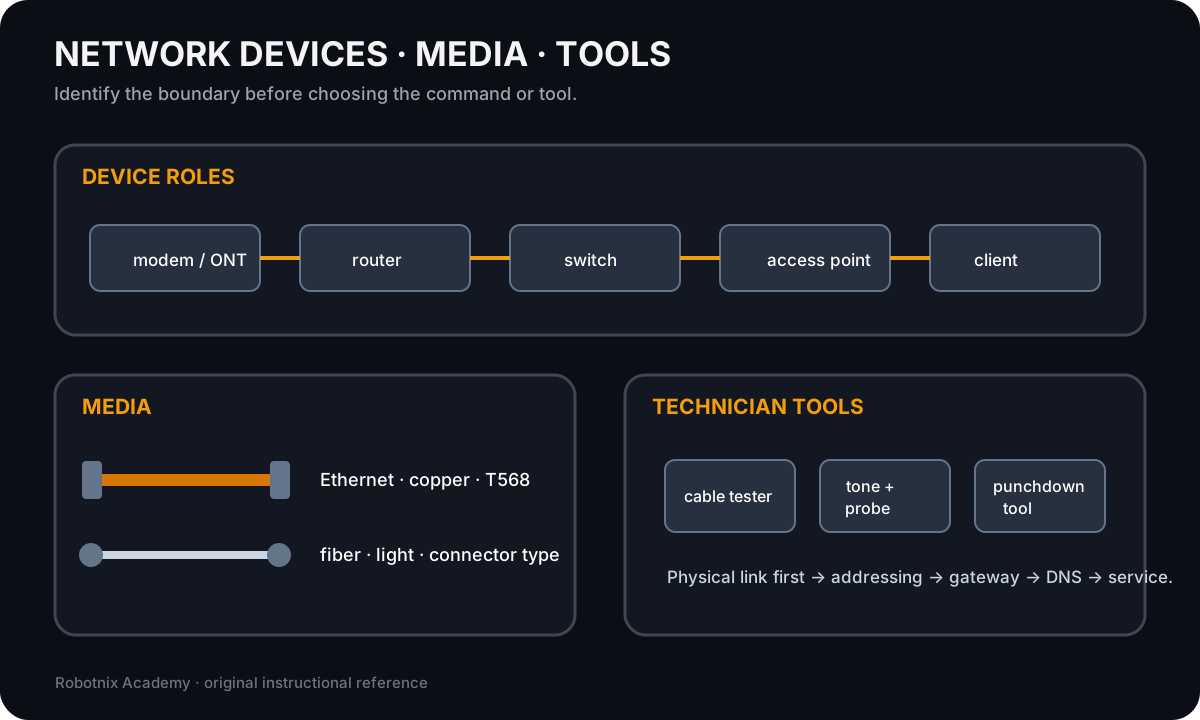
Reference sheet showing a router, switch, wireless access point, modem or ONT, Ethernet cable, fiber link, punchdown tool, cable tester, and tone probe.

Network troubleshooting gets faster when you can identify which device, medium, service, or technician tool belongs at each boundary.

Robotnix Academy · Robotnix original course asset
Sheet 5 · Weeks 7

Common Connector Recognition

Provide a printable labeled reference for common PC and network connector recognition after the unlabeled hotspot practice.

Labeled schematic comparison of RJ45 Ethernet, USB-C, HDMI, DisplayPort, LC fiber, F-type coaxial, and SATA data connectors with technician recognition notes.

Connector shape is only the first clue. Confirm keying, signal type, device role, and the cable on both ends before deciding what belongs in the path.

Robotnix Academy · Robotnix original course asset
Sheet 6 · Weeks 10

Host, Hypervisor, VM, Container, Cloud

Distinguish host resources, guest operating systems, containers, virtual networks, and cloud responsibility boundaries.
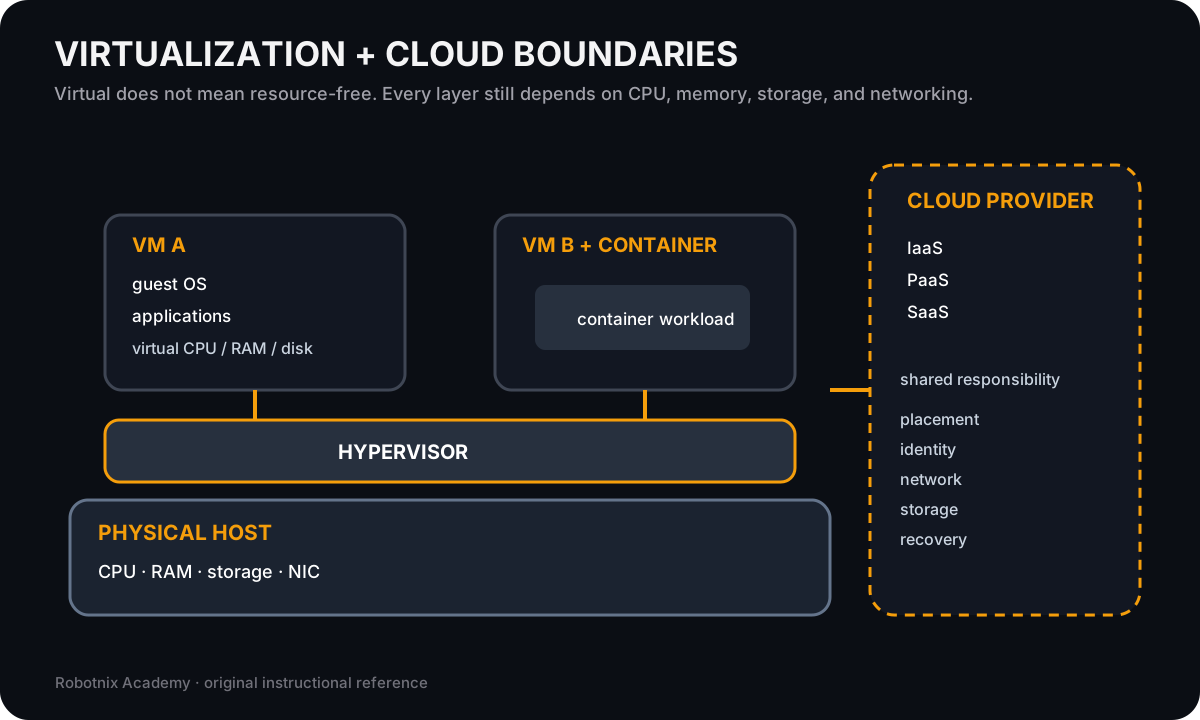
Layered illustration showing physical host hardware, a hypervisor, two virtual machines, a container workload, virtual networking, and a cloud provider boundary.

Virtualization changes where a workload runs, but CPU, memory, storage, networking, and administrative boundaries still matter.

Robotnix Academy · Robotnix original course asset
Sheet 7 · Weeks 11, 12

Cross-Platform Support Surfaces

Compare platform-specific administration surfaces without treating one operating system as the universal model.

Reference sheet comparing Windows administration, macOS security and system tools, Linux service and package tools, and common filesystem and network evidence.

The evidence-first method stays consistent across platforms even when commands, filesystems, permissions, and administrative tools change.

Robotnix Academy · Robotnix original course asset
Sheet 8 · Weeks 13, 14, 15

Security Controls and Evidence

Connect defensive controls to the evidence used in security and software troubleshooting.
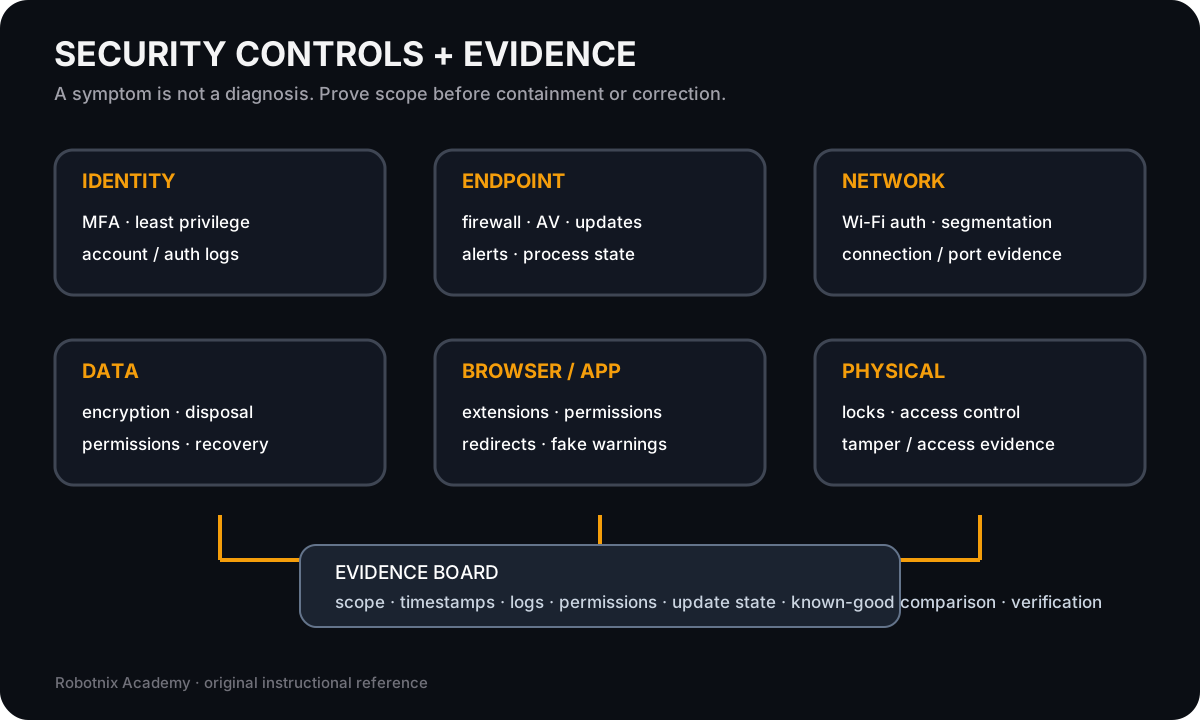
Reference sheet connecting identity, endpoint, network, data, browser, and physical controls to common defensive evidence such as alerts, logs, permissions, and update state.

A security symptom is not a diagnosis. Controls and evidence help prove scope before a technician contains or corrects anything.

Robotnix Academy · Robotnix original course asset
Sheet 9 · Weeks 16, 17

Service Operations Record

Make operational procedure artifacts visible before integrated technician scenarios.

Reference sheet showing a service ticket, approved change, backup and rollback point, remote support authorization, verification result, and escalation record.

Professional IT work is a chain of evidence: request, authorization, baseline, controlled change, verification, documentation, and escalation.

Robotnix Academy · Robotnix original course asset
Sheet 10 · Weeks 17

Evidence-First Troubleshooting Workflow

Give students a printable technician workflow for integrated troubleshooting and review.
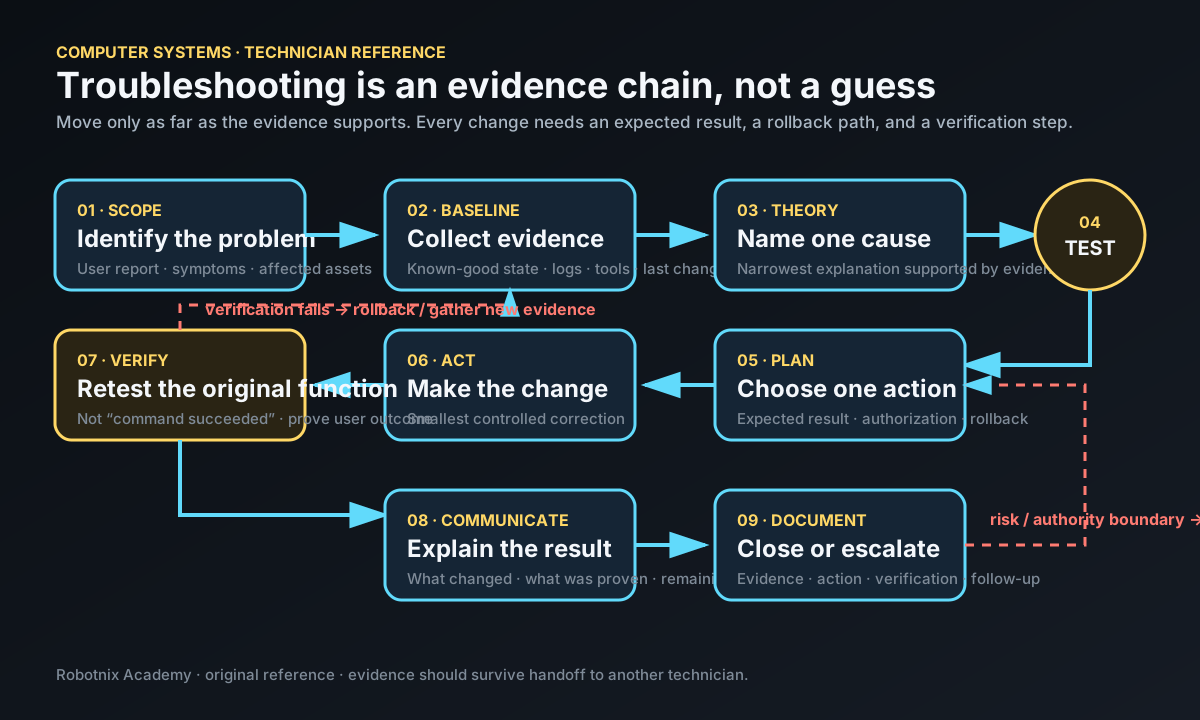
Technician troubleshooting workflow from scope and baseline through theory, test, controlled change, verification, communication, documentation, rollback, and escalation.

Troubleshooting is an evidence chain. Every corrective action should have an expected result, rollback path, verification step, and handoff-ready record.

Robotnix Academy · Robotnix original course asset
Sheet 11 · Weeks 18

Technician Service Challenge Packet

Show how the Week 18 evidence packet fits together before students configure and diagnose the capstone environment.
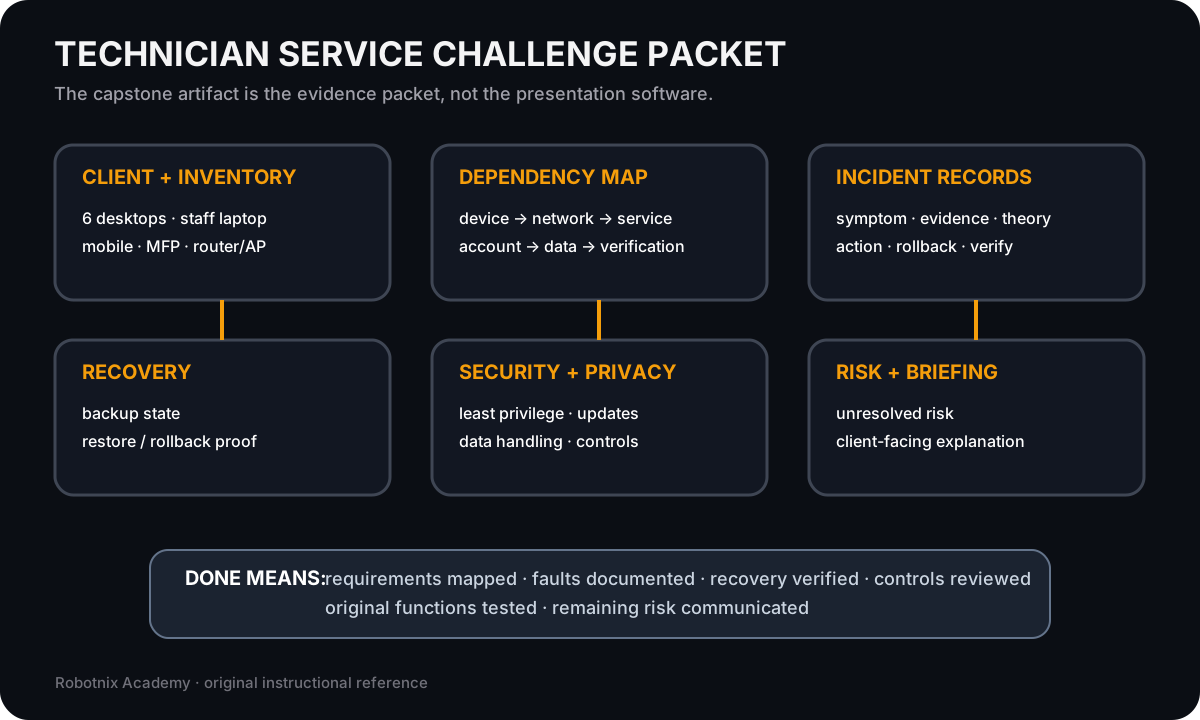
Reference sheet showing the fictional Harborview client inventory, dependency map, incident records, backup verification, security review, unresolved risks, and technical briefing.

The capstone is not a slide deck. It is a service record that proves requirements, incidents, recovery, security, verification, and remaining risk.

Robotnix Academy · Robotnix original course asset